
Simple Forex Trading Strategies for Beginners A Comprehensive Guide
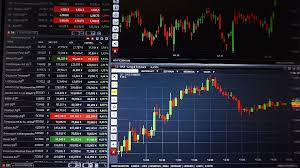
Forex Trading Strategies for Beginners
Entering the world of forex trading can be both exciting and overwhelming. As a beginner, understanding the basic principles and developing effective trading strategies is crucial. This article will walk you through several key strategies that can help you navigate the forex market and boost your chances of success. We will also explore the importance of choosing the right forex trading strategies for beginners Forex Trading Platforms and share tips on how to manage risks effectively.
Understanding Forex Trading
Forex, or foreign exchange, is the market where currencies are traded. It is the largest and most liquid financial market in the world, with an average daily trading volume exceeding $6 trillion. Forex trading involves buying one currency while simultaneously selling another, which is done in currency pairs such as EUR/USD or GBP/JPY.
The Basics of Currency Pairs
To understand forex trading, it is essential to grasp the concept of currency pairs. Each trading pair consists of a base currency (the first currency) and a quote currency (the second currency). The price of the currency pair tells you how much of the quote currency is needed to buy one unit of the base currency.
Essential Forex Trading Strategies for Beginners
Here are some fundamental strategies that are particularly suited for beginners:
1. Trend Following Strategy
The trend-following strategy is one of the simplest yet most effective trading strategies available. It involves analyzing the market to identify which way the price is heading—up (bullish) or down (bearish). Traders typically use tools such as moving averages to determine the direction of the trend. The goal is to buy when the market is in an uptrend and sell when it is in a downtrend.
2. Range Trading Strategy
Range trading is another popular strategy that exploits price movements within established support and resistance levels. During periods when the market is not trending, prices often fluctuate within a range. Traders can identify these levels and execute buy orders near the support level, selling positions near the resistance level. This strategy requires patience and careful observation.
3. Breakout Strategy
The breakout strategy is a powerful approach that aims to capture significant price movements that occur when the market breaks through established support or resistance levels. A breakout can signal the beginning of a strong price movement in either direction. Traders use various indicators, such as volume or momentum oscillators, to confirm that a breakout is genuine.

4. Scalping Strategy
Scalping is a fast-paced trading strategy that involves making numerous trades throughout the day to capture small price movements. Scalpers typically hold positions for a few seconds to minutes, aiming to profit from minor fluctuations in currency prices. This strategy requires quick decision-making and effective use of trading platforms to execute trades efficiently.
The Importance of Risk Management
Regardless of the strategy you choose, risk management is a crucial component of successful trading. It is essential to protect your capital and minimize losses. Here are some effective risk management techniques:
1. Setting Stop-Loss Orders
A stop-loss order is a predetermined price at which you will exit a trade to prevent further losses. By setting a stop-loss, you can limit the risk associated with any given trade. It is advisable to place the stop-loss order at a level that aligns with your trading strategy and risk tolerance.
2. Using Position Sizing
Position sizing refers to determining how much of your total capital to risk on a single trade. By calculating your position size based on your account balance and risk tolerance, you can ensure that no trade will put you in jeopardy of significant losses.
3. Diversifying Your Portfolio
Diversification involves spreading your investments across different currency pairs and trading strategies. By not putting all your capital into one trade, you can reduce the overall risk of your trading portfolio. This way, even if one trade performs poorly, others may offset those losses.
Choosing the Right Forex Trading Platforms
Selecting a trustworthy trading platform is important for your trading success. Look for platforms that offer a user-friendly interface, reliable customer support, educational resources, and advanced trading tools. Reading reviews and trying demo accounts can help you find a platform that meets your needs as a beginner trader.
Conclusion
Forex trading can be an exhilarating venture for beginners. With the right strategies and a solid understanding of risk management, you can enhance your trading skills and increase your chances of success. Always remember that trading involves risks, and it is essential to stay informed and continually update your knowledge. Start with demo accounts and gradually transition into live trading when you feel confident. Good luck on your trading journey!